Two principals, and a named panel.
The people you meet are the people who do the work.
Principals
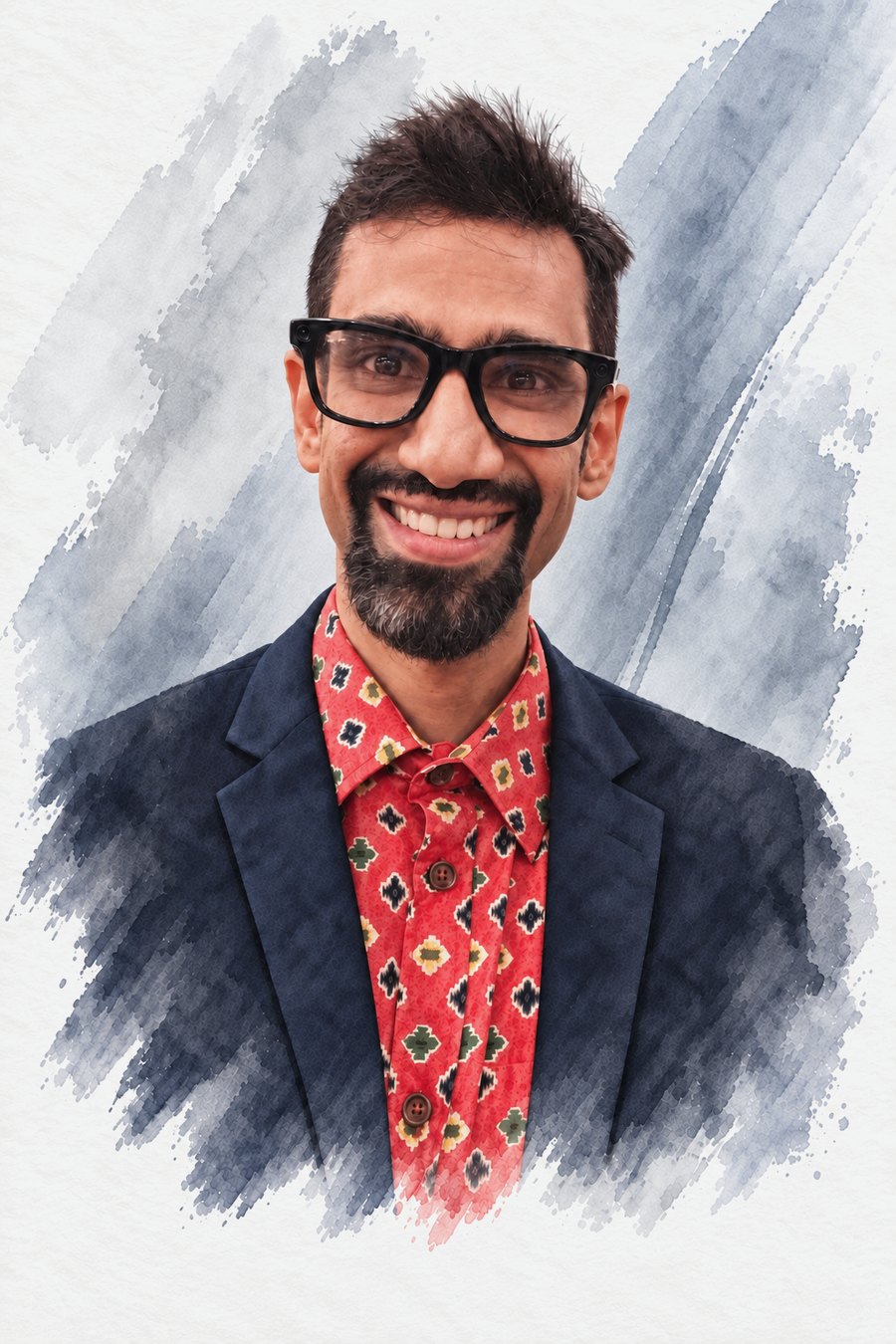
Zameer BreyMD PhD MBA
Health systems and AI investment
Fifteen years at the point where health systems meet AI investment decisions. Formerly Deputy Director and AI Task Force Lead at the Gates Foundation, where he ran a multi-country AI portfolio across more than twenty countries, held the Foundation’s primary relationships with the frontier AI companies, and built the operational model for putting AI into low- and middle-income health systems.
That portfolio produced the pattern this firm was built on: the technology is rarely the reason a deployment fails. He still asks about the clinic before he asks about the model — the data that facility actually holds, the workflow it actually runs. A physician by training, with an MBA and a doctorate in health systems.
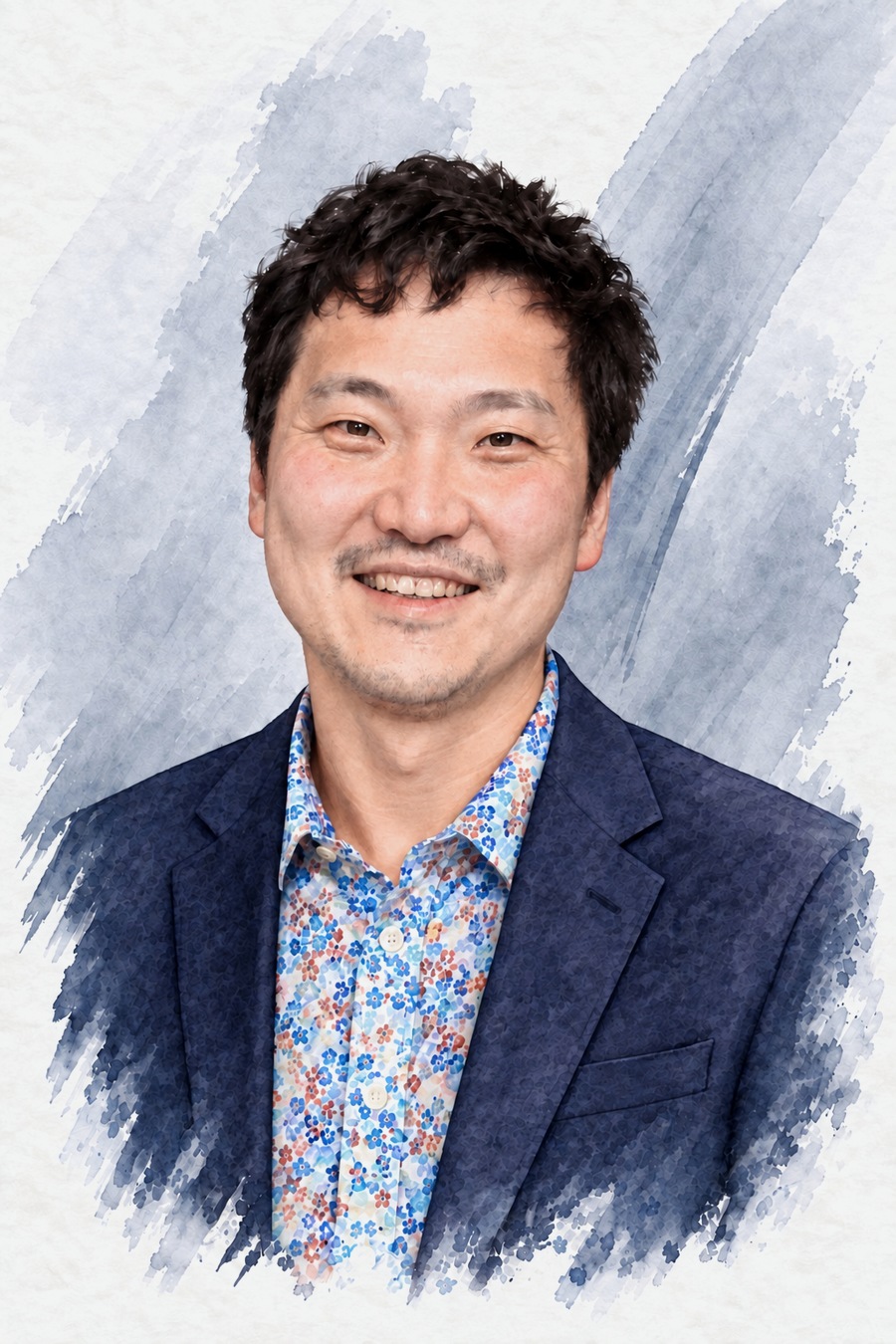
Hao HuPhD
Data, modelling and decision support
Sixteen years in data modelling and AI, most of it spent producing the analysis other people’s decisions rested on. Formerly Deputy Director for Data and Insights, and Principal Officer for AI and Health Delivery, at the Gates Foundation, where he built and led the data, modelling and decision-support function for one of its global divisions and helped scope several of the Foundation’s big bets on AI in health delivery.
He still builds: where a question can be settled faster by a prototype than by a document, he writes one, so most engagements arrive with something working. Doctorate in biophysics and informatics.
A senior panel, contracted per engagement.
We name the specialists your decision needs before work begins.
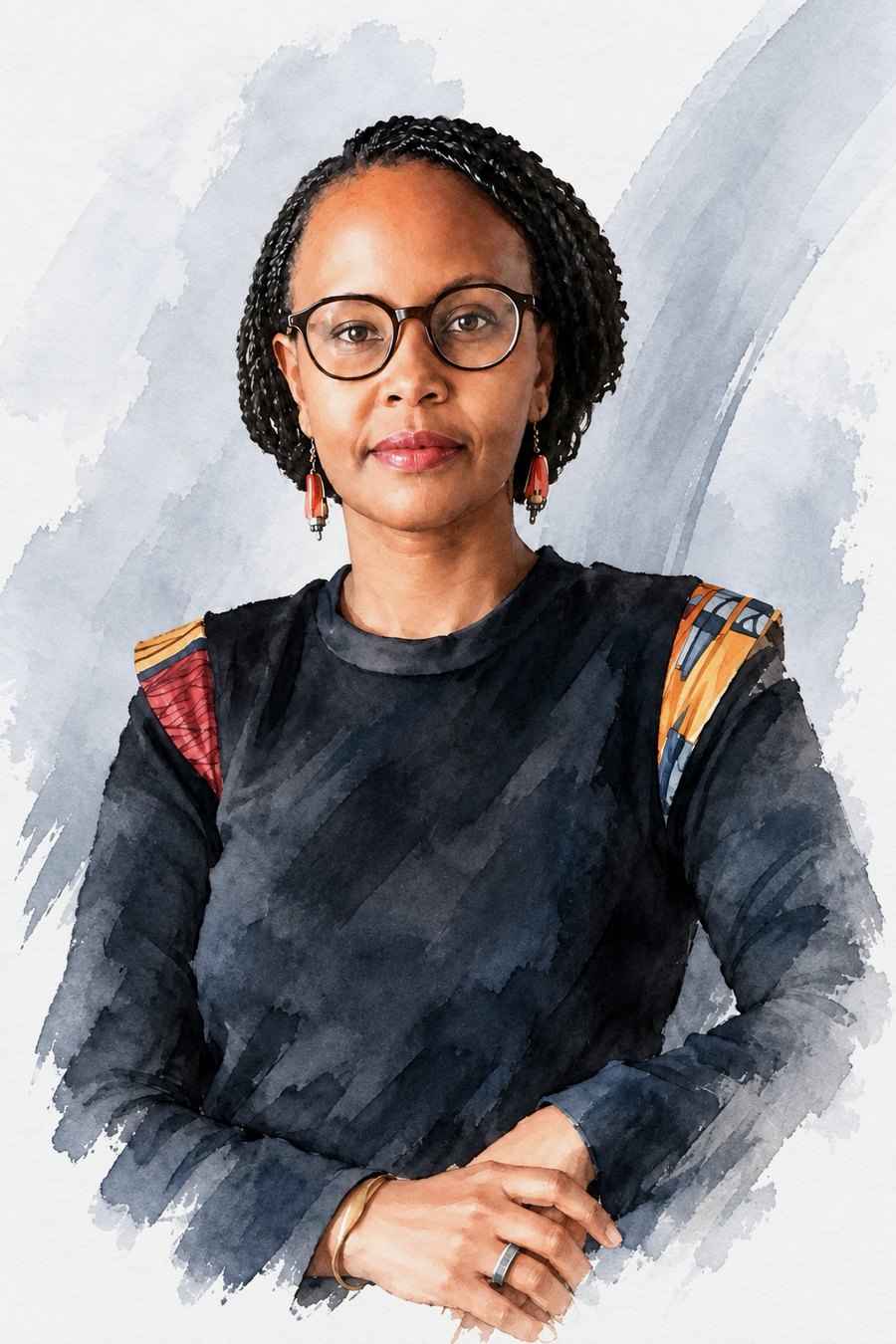
Juliana Rotich
Organisational transformation and AI adoption
Two decades building technology that had to work on African infrastructure before it worked anywhere else. She co-founded four technology companies now deployed in more than 160 countries and led M-PESA fintech integrations at Safaricom — the reference case for a system designed around the constraint it will actually meet.
She advises governments and health systems on responsible AI adoption in resource-constrained settings, co-authored Kenya’s first government framework on AI, and sits on the Gates Foundation’s AI Ethics Committee.
She still writes the protocols: she is a contributor to MedLog, a global logging standard for medical AI developed with Harvard, Google, Microsoft and Stanford and scoped explicitly for low-resource settings. A Fortune “World’s 50 Greatest Leaders” honoree and a graduate of MIT’s Leadership for the AI Age.
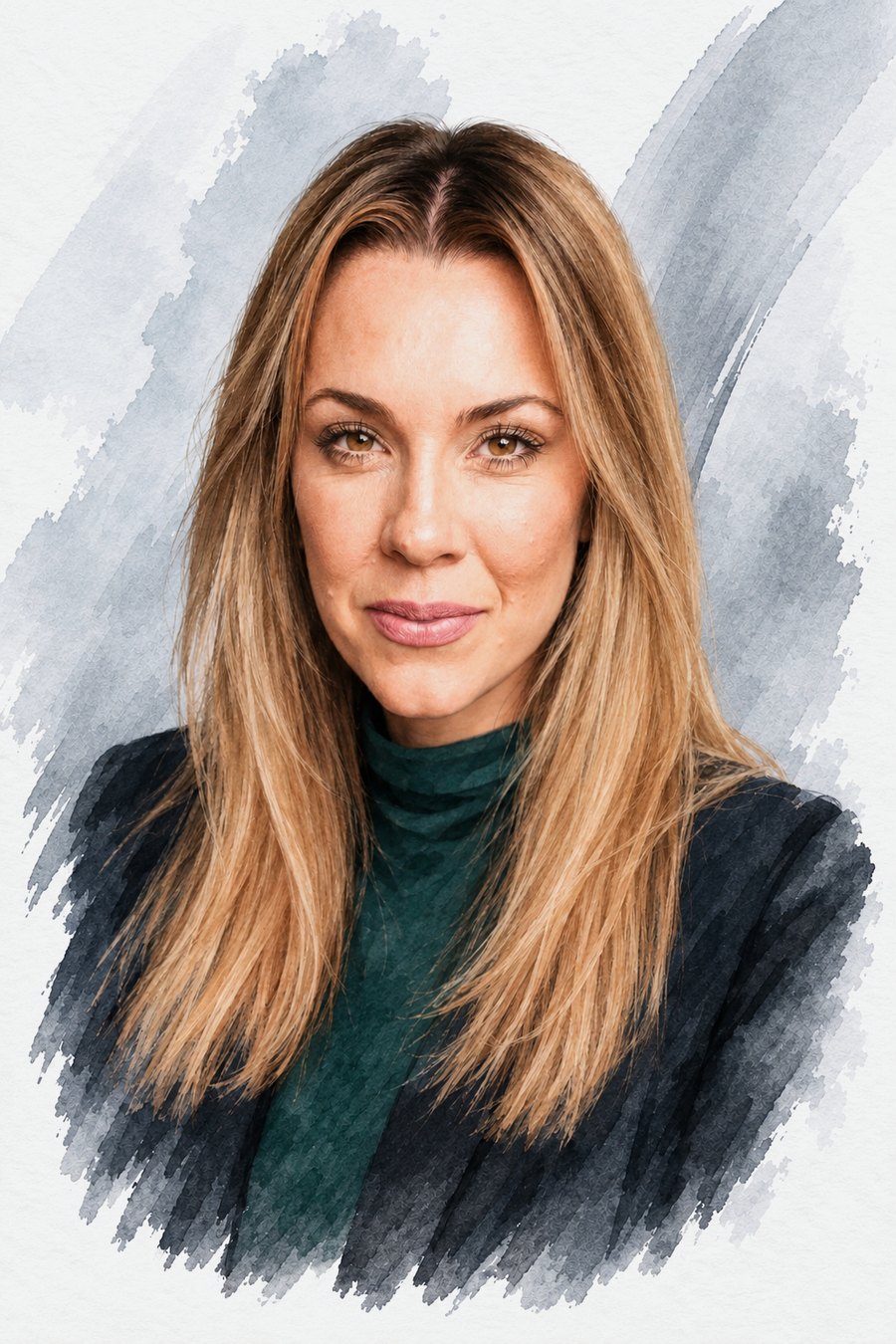
Rachel AdamsPhD
AI governance, regulation and law
A leading expert in AI governance, regulation and responsible AI, with particular depth in emerging markets and the Global South. Executive Director of the Leverhulme Centre for the Future of Intelligence at the University of Cambridge, and Founder and CEO of the Global Centre on AI Governance.
She co-led the development of the African Union’s Continental AI Strategy and has advised UNESCO, the United Nations and the World Economic Forum on AI policy. Her work sits on the institutional question underneath the rules: the state capacity, accountability and inequality conditions that decide whether AI delivers public value. She still measures it — she leads the Global Index on Responsible AI, assessing governance and implementation across more than 140 countries.
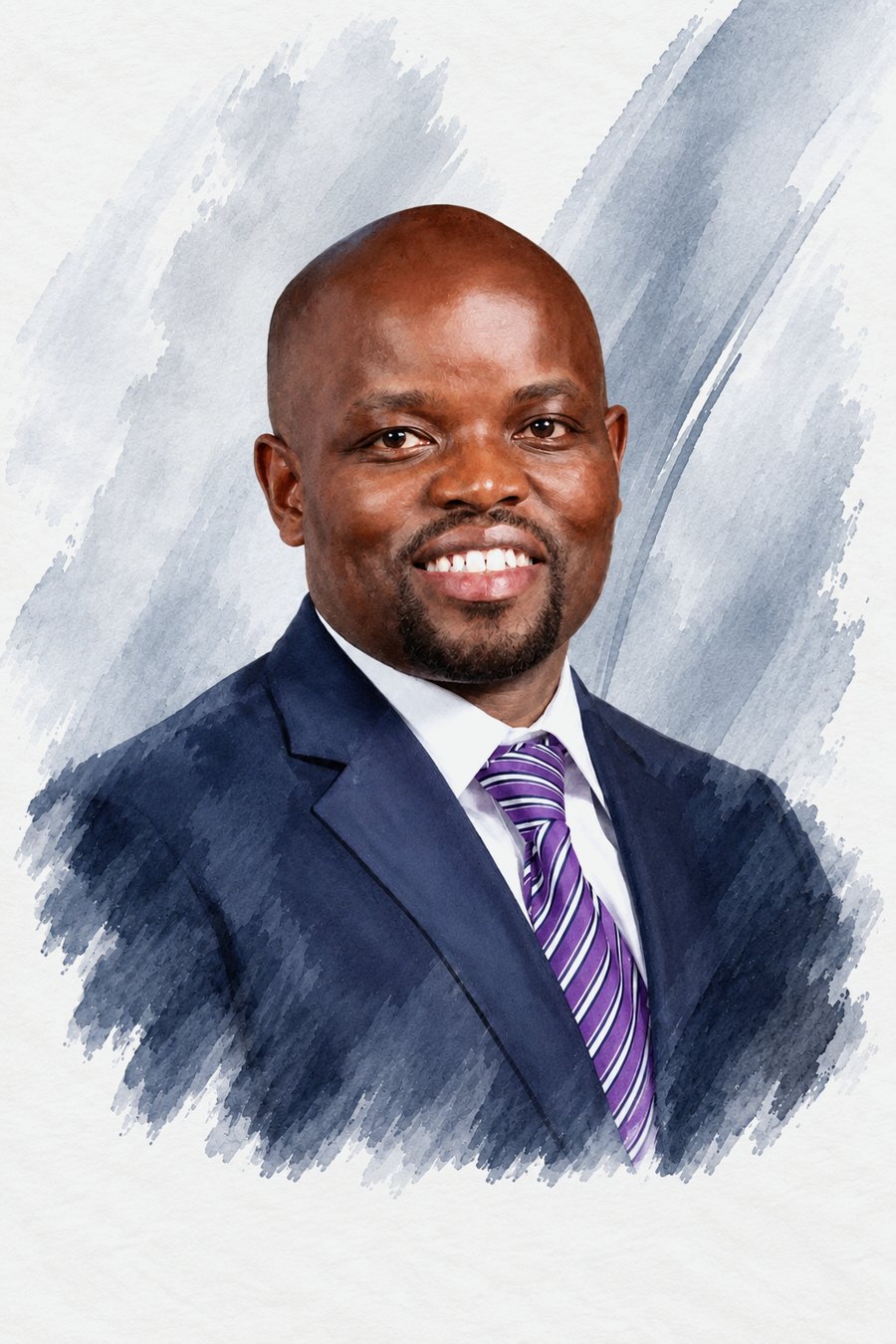
Jean-Philbert NsengimanaMPA
Digital health policy and government adoption
Two careers in the same lane: writing the digital strategy, then being the minister accountable for delivering it. Six years as Rwanda’s Minister of Youth and ICT, where he spearheaded the Smart Africa Alliance and YouthConnekt Africa — two pan-African institutions built to move digital transformation past the communiqué stage.
Now Chief Digital Health Advisor at Africa CDC, and special adviser to the Commons Project and the Digital Impact Alliance, working on the interoperability and digital public infrastructure layer a continental health system needs before anything scales.
He still convenes: he built the Africa Digital Health Networks, the umbrella bringing e-health agencies, vendors, funders and clinicians onto shared standards, with a target of 100,000 frontline workers by 2030. A software engineer by training, with an MPA from the Harvard Kennedy School.
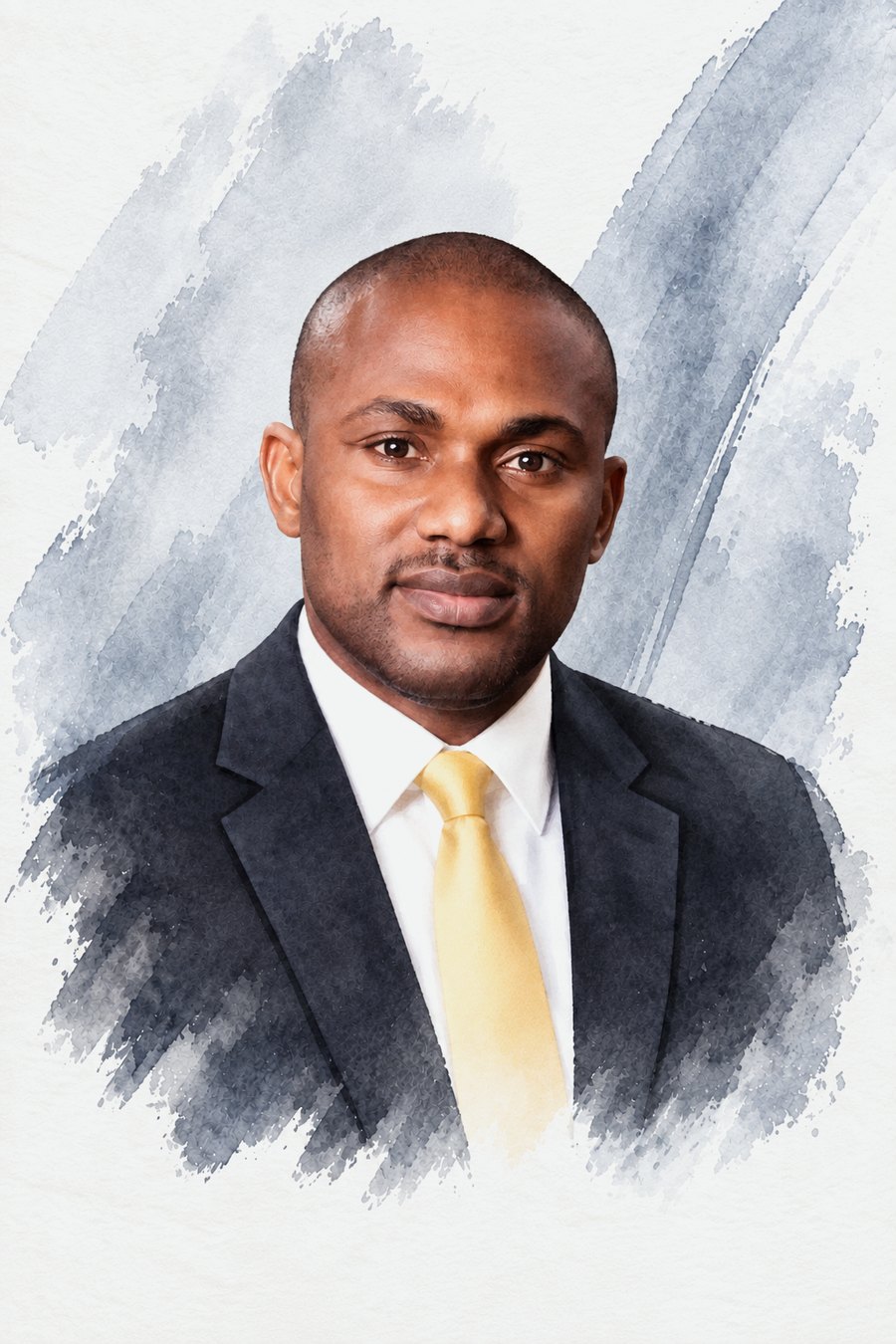
Bayo AdekanmbiPhD
Applied AI at scale, and AI safety
Two decades building AI systems for African markets, at the scale where they either work or fail in public. Formerly C-level at MTN Nigeria and Airtel Africa, leading data, analytics and AI across markets serving more than 200 million customers in 30 countries.
Founder and CEO of Data Science Nigeria and EqualyzAI, where the work is voice-first, offline and African-language AI for places with thin connectivity and thinner data; six of those products sit in the UNESCO/IRCAI global hundred for social good.
He co-led Nigeria’s National AI Strategy and advised the first International AI Safety Report, so he arrives having argued the same question from inside a ministry and inside a telco. He still publishes: NeurIPS, ICML, ICLR, Interspeech. PhD, City St George’s, University of London.
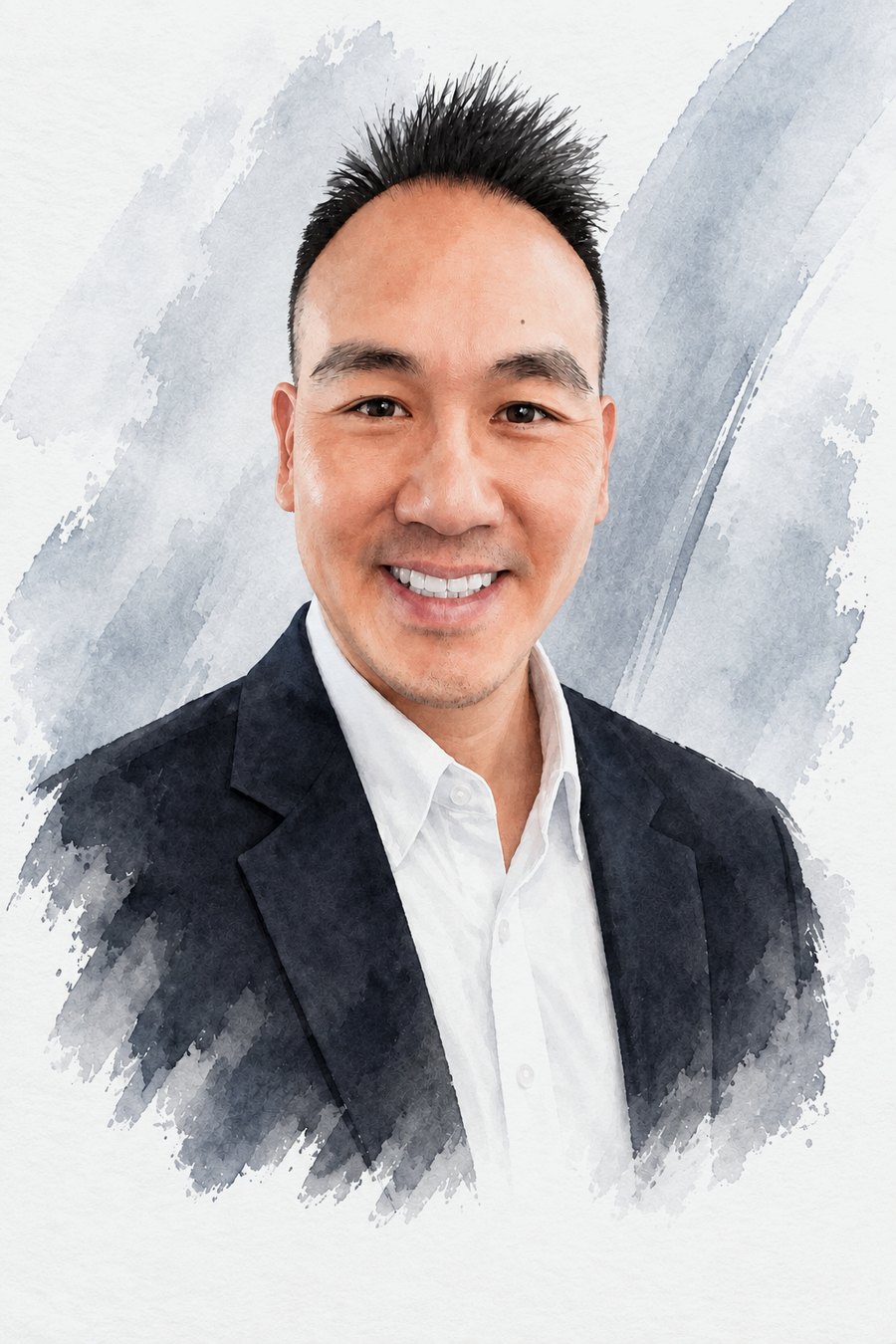
Stewart ChangPhD
Epidemiological modelling and evidence
Fifteen years turning epidemiological questions into numbers a decision can rest on. Thirteen of them at the Institute for Disease Modeling at the Gates Foundation, where he led the HIV/TB research team — transmission modelling, geospatial hotspot mapping, and the integration of multimodal biomedical data — applied to where a vaccine, a therapeutic or an intervention would actually change the burden.
He now leads Model Stewardship, an independent consultancy providing quantitative modelling to global health organisations and research institutions. He still runs the models himself: where a claim about impact can be tested against transmission dynamics, he tests it himself. PhD in bioinformatics, University of Michigan.
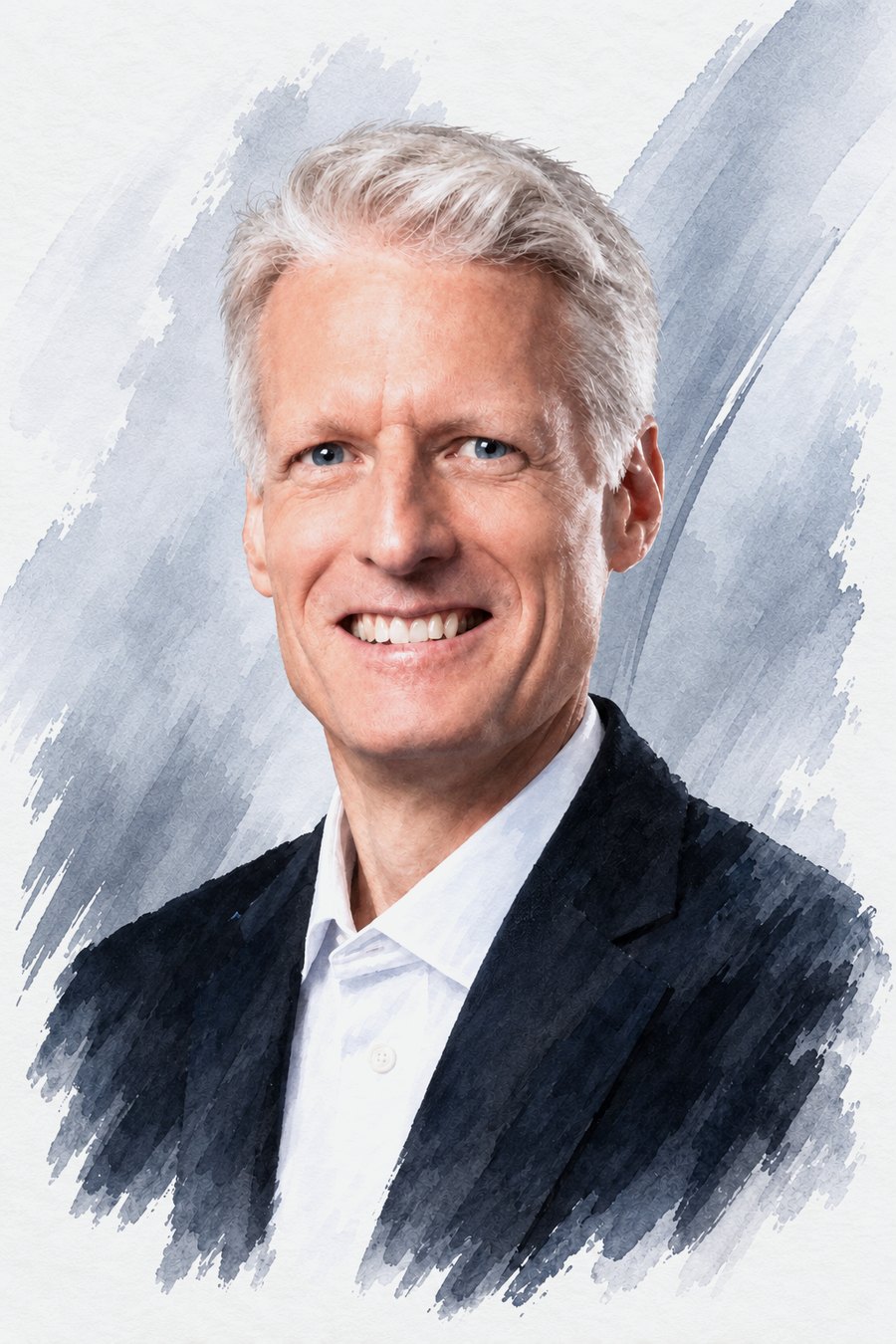
Per LiljenbergPhD
Portfolio strategy and investment decisions
Twenty-five years on the question underneath every portfolio: which things get funded, which get sequenced, and which get stopped. Fifteen of them at AstraZeneca, through R&D portfolio and business performance roles up to Business Operations Director for Respiratory and Inflammation — portfolio decisions in a setting where each call commits a decade of development behind it.
Then nine at the Gates Foundation, latterly as Deputy Director for Portfolio Management, building the analysis and the decision processes by which a global health portfolio is weighed and cut.
He now advises independently from Gothenburg through Liluma Analytics. He still builds the machinery himself — the data model and the decision framework. PhD in physics.
Experience across sub-Saharan Africa and India.